Navigating the Holiday Season: A Guide for Neurodivergent Individuals

Updated: Apr 27
Understanding the Challenges
The holidays throw a lot at everyone all at once. But when you're neurodivergent, certain aspects of the season hit differently:
Sensory Overload Is Everywhere
For autistic individuals, especially, the holidays are a sensory minefield. Overpacked stores with fluorescent lights buzzing overhead. Holiday music blasting on repeat. Long checkout lines where you're packed in like sardines. Unfamiliar houses with new smells, textures, and sounds. It's exhausting.
If you have ADHD, it's like the world collectively decided to distract you as much as humanly possible. Endless to-do lists, half-finished tasks everywhere, gift shopping where you forget what you came for the moment you walk in the store. Conversations are happening in three directions at once while you're trying to remember if you left something in the car. Holiday schedules that change every five minutes. You're trying to track one thing, but your brain is tracking everything.
And if you're AuDHD, congrats—you get both! The sensory overwhelm hits with double intensity, and the executive functioning demands pile on top.
Your Routine Completely Falls Apart
If you have ADHD and/or autism, routine isn't just nice to have; it's often essential for functioning. But during the holidays? That predictable structure you've carefully built goes out the window. Suddenly, you're expected to be in places at odd times, meal schedules are thrown off, and you might be sleeping in an unfamiliar bed. Disruptions can trigger forgetfulness, misscheduling, or impulsive commitments.
The Social Demands Are Relentless
Party after party. Gathering after gathering. Small talk with your cousin's new boyfriend. Explaining what you do for work to your great aunt for the fifth year in a row. If you're autistic, the constant social performance and masking is exhausting. If you have ADHD, trying to follow multiple conversations while also remembering not to interrupt or talk too much about your current hyperfixation is mentally draining. For AuDHD, it's the challenges of both worlds: social masking plus managing attention and working memory under pressure.
Executive Functioning Demands Go Through the Roof
Planning meals, buying gifts, coordinating schedules, remembering who's allergic to what, figuring out travel logistics, wrapping presents, sending cards! It's like your brain is running a small corporation, and you didn't even apply for the job. Whether you have ADHD, autism, or both, executive functioning challenges are real. Maybe you struggle with task initiation and keeping track of multiple to-dos. Maybe you get bogged down in the details of scheduling and planning. Maybe the mental effort of organizing everything is completely exhausting. Basically, the holidays demand a level of executive functioning for neurodivergent adults and teens that many simply don't have extra capacity for.
There's Zero Time to Recharge
Between events, shopping, cooking, cleaning, and everything else, when exactly are you supposed to decompress and regulate your nervous system? The holiday season doesn't allow for downtime, which is especially hard when you need more recovery time than neurotypical people.
Unexpected Changes Are Constant
Plans change. People show up unannounced. Dinner is served an hour late. Someone brings an unexpected guest. For autistic individuals who struggle with transitions and unexpected changes, the holidays are full of these curveballs. If you have ADHD, you might actually enjoy novelty and spontaneity in general, but when your executive functioning is already maxed out, these constant changes make it incredibly hard to keep track of everything. AuDHD folks experience both: the emotional impact of change plus the executive load of keeping everything organized under unpredictable circumstances.
Winter Itself Can Be Really Challenging
Even if you love the snow and the cold weather, the shorter days and reduced sunlight don't just make it feel darker outside; they can actually affect your brain chemistry. Lack of natural light can impact your mood, sap your energy, and make it harder to concentrate, plan, and get things done. For some people, this manifests as Seasonal Affective Disorder (SAD), which can bring persistent low mood, fatigue, irritability, and difficulty finding motivation. The frustrating part is that this often hits right when you need your energy and mental resources the most. It's a real, physiological response that can make daily life feel heavier than usual.
So yeah. It's a lot. But here's what you can actually do about it.
Your Neurodivergent Holiday Survival Guide
1. Prioritize Ruthlessly (You Don't Need to Commit to Everything)
This is the big one. You do not need to attend every single holiday event you're invited to.
If you have ADHD, you might tend to say yes to everything in the moment without thinking through the actual energy cost, only to realize later you're completely overbooked. If you're autistic, you might need to conserve your social battery and be selective about which social situations are worth the energy expenditure.
Make a list of all your invites. Get them out of your head and onto paper (or a note on your phone, whatever works). This external brain dump helps when you're feeling overwhelmed.
Ask yourself the hard questions:
Which events would you genuinely feel sad about missing?
Which ones are you only going to because you feel obligated or guilty?
Who actually fills you up versus drains your social battery?
How far away is this event, and is the travel worth the energy it'll cost?
Will there be kids running around? Loud music? Strong smells? (These might be dealbreakers.)
Do you have the executive functioning capacity to handle the logistics of getting there?
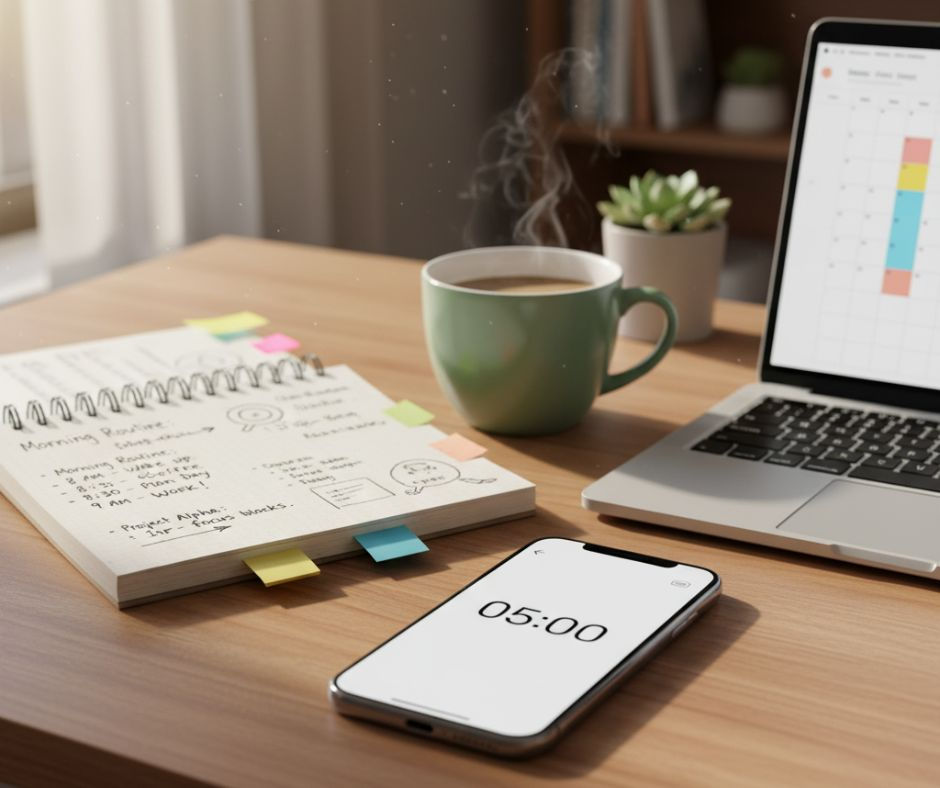
Use a visual calendar. If you're booked Friday, Saturday, AND Sunday one weekend, that's a recipe for burnout or shutdown. Turn down one or two of those. Color-code if that helps your brain process it better.
You don't need to give a detailed reason to decline. Seriously. Especially to someone you're not that close to. You don't need to over-explain or give a completely honest, detailed breakdown of why you can't come. A simple response is enough.
Here are some scripts:
No reason given (for acquaintances): "Oh, I'm sorry, I won't be able to make it that day. Thank you for the invite, though! Hopefully, I'll be able to make it next time."
Honest reason (for people you're closer to): "Hey, I'm really sorry, I won't be able to make it to your party. Normally, I'd love to go, but truthfully, I'm feeling really overwhelmed with everything going on during the holidays, and I just need some time to rest and recharge. Maybe we can get together when things settle down a bit?"
Honest but vague (the middle ground): "Hey, I'm sorry. Everything has just been so chaotic with the holidays, and I won't be able to make it to your party. I really appreciate the invite, though."
2. Take Breaks (Your Nervous System Needs Them)
Even around people you love, being in a large gathering, especially in an unfamiliar environment, can lead to sensory overload, social exhaustion, and eventual meltdown or shutdown. Your nervous system needs breaks.
If you're at someone else's place, scout out a quiet area when you first arrive. This could be a guest bedroom, a study, a quiet corner, a quick walk around the block, or even a parked car. When things start to get overwhelming, take a 5-10-minute break in that space. Bring your headphones, a fidget toy, or whatever helps you regulate.
If you're in your own home, take a break in your bedroom. Lock the door if you need to. Put on noise-canceling headphones. Lie down for a few minutes. Stim if you need to. If you can't find a different place or go outside, there's always the bathroom. Seriously. Sit in there for a bit. Play some Scrabble on your phone. Do some deep breathing. Run cold water over your wrists. Whatever you need to regulate.
Once you feel a little calmer and recharged, rejoin the group. Repeat as needed throughout the event. If you need to leave early, that's also completely valid.
And if you feel weird about it? Most people DO understand this, even if they're neurotypical. But if you want to explain or give someone a heads up, here are some scripts:
Going for a walk: "I'm going to take a quick walk, just need a bit of fresh air. I'll be back soon!"
Going into another room: If someone finds you: "I just needed a bit of quiet time, I'll be out soon though!"
Going to the bathroom: "Just gotta go to the bathroom." If someone knocks: "Hold on, I'll be out in a minute."
Leaving early: "I had a really great time. I have to get going, but thank you so much for having me!"
3. Prepare or Bring Safe Foods
Safe foods are foods that are predictable, comforting, and make you happy. They're especially important for autistic people who have food sensitivities or texture aversions, but they matter for ADHD folks too.
Sometimes holiday food is NOT your thing. Maybe it's the textures or the foods touching each other on the plate. Maybe the smells are too strong. Or maybe you like the food, but you're so overwhelmed that you can only handle your safe foods right now.
And if you tend to forget to eat (which can be common if you're neurodivergent), having your safe or favorite foods visible and available makes it way more likely you'll actually grab something and eat it. It's that impulse grab. You see your favorite snack, your brain goes "ooh yes," and you eat. Much better than staring at a table full of unfamiliar casseroles and just... not eating.
If you're hosting, make or buy your safe food! No explanation needed. It's your house, your menu.
If you're going somewhere else, it's usually customary to bring a dish to a party anyway, so bring your safe food to share! Frame it as contributing to the meal. You can also pack snacks in your bag or car. Eat before you go if you need to. Do whatever you need to do to ensure you won't be stuck somewhere without food you can actually eat.
Scripts:
If you're hosting and someone questions your choice: "Hey, I'm the host, I get to make what I want!"
If you're bringing it somewhere else: "I brought something for the meal! Where would you like me to put it?"
If someone questions your choice or comments on your eating: "Oh, it's just one of my favorite foods, so I wanted to include it."
If someone pushes you to try something: "No, thank you, I'm good with what I have."
4. Take Shortcuts (Executive Functioning Is Hard Enough)
The holidays can feel like one giant executive functioning nightmare. There's planning, organizing, remembering, initiating tasks, and following through, often all at once. You don't need to make this harder on yourself.
Buy the pie from the bakery. No one will judge you, and if they do, they can make the pie next year.
Get groceries delivered. Avoid the absolute chaos of the holiday supermarket, which is sensory hell and also a place where you'll definitely forget half your list.
Use paper plates. Yes, even for Thanksgiving. The dishwasher can only hold so much, and you've got better things to do than dishes for three hours.
Buy pre-cut vegetables. Or pre-made cookie dough. Or store-bought cranberry sauce. Whatever makes your life easier and reduces the number of steps in a task.
Skip decorations you don't care about. You don't need to go all out if it doesn't bring you joy or if the visual clutter stresses you out.
Order takeout for one of the meals. If you're hosting multiple days in a row, ordering Chinese food or pizza for lunch is completely valid.
The goal is to get through the season with your sanity intact, not to win some imaginary most effort award.
A Note for Now
The holidays are hard enough for neurodivergent adults and teens. You don’t have to do it all, be everywhere, or meet everyone’s expectations. It’s okay to do the holidays your way.
Say no when you need to. Take breaks. Eat your safe foods. Take shortcuts. Put your own regulation and energy first. It’s not selfish. It’s necessary.
You’re probably doing better than you give yourself credit for. And if it ever feels like too much, remember, I’m in this together with you. Therapy can help you figure out strategies that actually work for you, whether it’s managing ADHD, autism, or AuDHD during the holidays or all year long.